Manila Clam Spreading Atlantic Coastline: Can We Just Cook and Eat Them?
A massive $7 billion global seafood delicacy has officially established its first breeding population on the U.S. East Coast. As marine biologists sound the alarm, New England foodies are asking the ultimate question.
01. The Invasion: What Just Happened in Boston?
According to a groundbreaking scientific study co-released in July 2026 by researchers from the University of Massachusetts Amherst, MIT Sea Grant, and the Center for Coastal Studies, the Manila clam (Venerupis philippinarum) has officially breached the ecological barrier of the North Atlantic Ocean.
Historically native to the Western Pacific and a massive economic engine globally, this highly adaptable bivalve was discovered thriving in the wild shores of Massachusetts, particularly around Cape Cod and Boston's coastal waters. This marks the first time in history that a self-sustaining, reproducing population of Manila clams has been scientifically confirmed on the Western Atlantic coastline.
02. The Invasivore Solution: Eating Invasive Clams as Biological Control
Unlike most destructive invasive species that devastate local ecosystems, the Manila clam brings a fascinating paradox. While marine ecologists are closely monitoring its long-term impact on native soft-shell clams and local biodiversity, they also acknowledge a unique silver lining: it is arguably one of the most delicious invasive species on Earth to eat and cook.
"Initial field data suggests that while the species is spreading rapidly along the Atlantic shoreline, local predators like green crabs and native shorebirds are already adapting to feed on them, potentially mitigating severe ecological crashes."
Because Manila clams burrow much shallower than local soft-shell varieties, they are incredibly easy to harvest. This has led scientists and local community leaders to propose a delicious form of biological control: Encouraging the public to harvest, cook, and eat invasive clams to help suppress their spread.
03. Behind the Spread: Origins and Identification Tricks
How did this global bivalve make its historic leap to the northwestern Atlantic coastline? Marine researchers from MIT Sea Grant and UMass Amherst point out that while the exact pathway remains under investigation, the most likely vectors include historical commercial shipping ballast water discharges, accidental transfers during domestic aquaculture management, or undocumented private aquaculture releases.
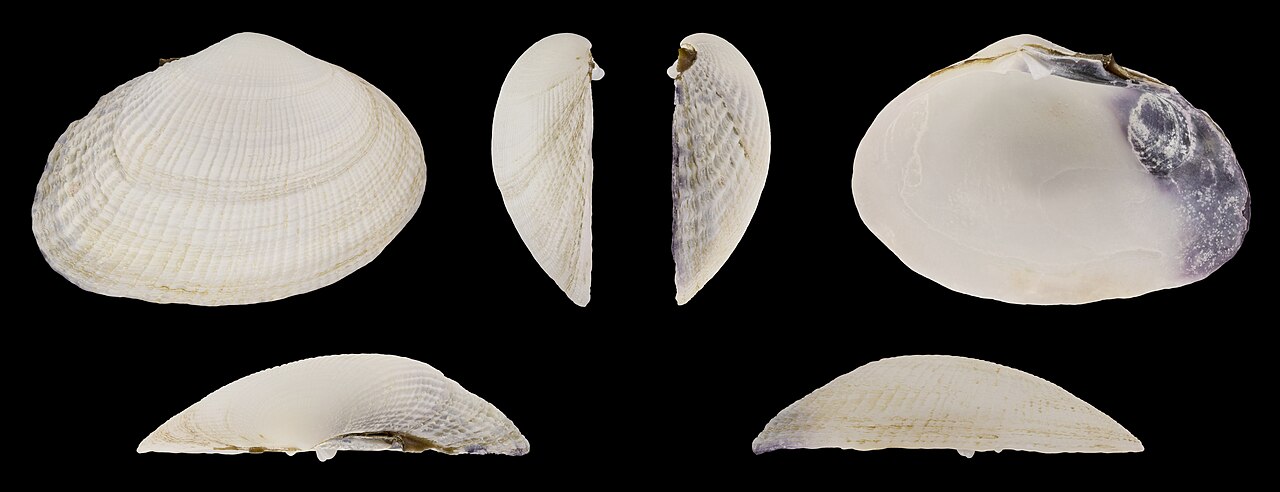
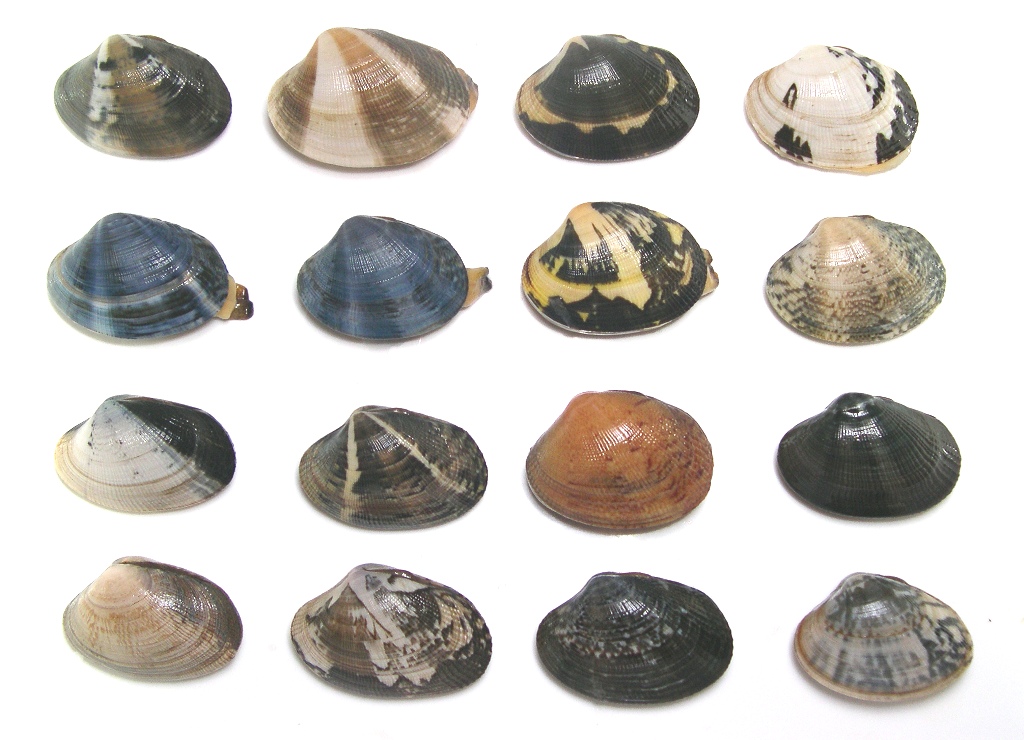
For beachgoers strolling around Boston Harbor or the sandy beaches of Cape Cod, distinguishing the invasive Manila clam from native New England softshell clams is straightforward. Manila clams exhibit a robust, elongated oval body decorated with a highly distinctive cross-hatched, geometric grid pattern formed by the intersection of fine vertical ridges and horizontal concentric growth rings. Conversely, native New England softshell clams are easily recognized by their noticeably smoother, brittle, and chalky white shells that completely lack this prominent geometric texture.
04. The Hunt: Expert Manila Clam Catching Tips
To maximize your harvest along the Boston Harbor or Cape Cod coastlines, timing is everything. Plan your excursion precisely one to two hours before peak low tide, when the intertidal mudflats are most exposed. As you walk the flats, look for "clam shows"—tiny, distinctive holes or squirts of water in the sand that betray the bivalves buried just below the surface.
Equipping yourself with the right gear is essential. A short-handled clam rake (ideally with 3 to 5 tines and a built-in wire basket) is the most efficient tool for scratching through the gravelly mud. Since Manila clams reside in the top 2 to 4 inches of substrate, avoid deep digging; instead, use a gentle raking motion to pull back the top layer. Carry a sturdy mesh bucket to rinse away mud easily, and always keep a rigid clam gauge on hand. Massachusetts regulations require legal catches to meet specific size limits, so measuring every bivalve immediately ensures sustainability and compliance.
05. The Clean-Up: Flawless Purging Techniques
To remove every grain of grit, recreate their natural ocean environment using a a 3% salt solution. You can replicate this by dissolving roughly 30 grams of sea salt per liter of non-chlorinated water. Submerge the Manila clams using the "elevated method": place them inside a colander or wire basket set inside a larger outer bowl. This ensures the clams remain suspended above the bottom, preventing them from re-inhaling the sand and sediment they filter out.
Cover the container with a lid or towel to create a dark, quiet environment, which encourages the clams to relax and extend their siphons. Let them purge in a cool spot for 2 to 4 hours. Once complete, discard the muddy water, thoroughly scrub the shells under cold running water to remove any external residue, and discard any clams that remain wide open when tapped.
06. How to Cook & Eat Invasive Clams: Boston Style
Invasive Manila clams are celebrated by coastal chefs for their sweet flavor, plump meat, and remarkably clean shells. If you happen to safely forage them, learning how to cook invasive clams to perfection turns an ecological issue into a gourmet dining experience:
- Classic Garlic & White Wine Steaming: Sauté heavy garlic and red pepper flakes in olive oil, toss in the fresh invasive Manila clams, pour a splash of local dry white wine, and cover for 5 minutes until they pop open. Top with fresh parsley.
- The Atlantic Fusion Chowder: Incorporate the sweet, tender meat of harvested invasive clams into a traditional New England creamy potato broth for a cross-cultural culinary upgrade.
07. Public Health Realities and the New England Food Web
While harvesting these delicious invaders seems like an ideal culinary solution, public health safety must come first. Wild Manila clams are filter feeders that rapidly accumulate localized contaminants. Foraging them from coastal waters is only safe when conducted within officially designated, open shellfish harvesting zones. Massachusetts coastlines are tightly monitored and frequently closed due to seasonal biotoxins, harmful algae blooms (red tides), or elevated bacteria levels. Consuming bivalves from closed flats can lead to severe paralytic shellfish poisoning.
From an environmental perspective, the long-term ecological impact of this invasion along the Massachusetts shorelines presents a fascinating case study. In high-density populations, Manila clams can aggressively outcompete native Atlantic bivalves for critical space and phytoplankton. However, New England's coastal food web is already reacting. Local marine predators—most notably the invasive European green crabs, native raccoons, and flocking migratory seabirds—are rapidly shifting their diets to exploit this shallow-burrowing, highly accessible new protein source.
Ready to Help Clear the Coast?
Before you grab your clamming rake and head to the beaches of Boston or Cape Cod, you MUST comply with local wildlife laws. Foraging without a legal permit, taking undersized clams, or harvesting from chemically closed or contaminated waters is strictly illegal and dangerous to your health.
Check live shellfishing flat status and harmful algal blooms (Red Tide) closures via the Massachusetts Division of Marine Fisheries (DMF) Official Shellfish Area Map & Status before foraging.